„Rewolucji nie będzie w telewizji” zaśpiewał w latach 70 Gil Scott-Heron. Nieco później cyfrowi tubylcy zrozumieli, że nie będzie też jej na Twitterze. A ja śmiem twierdzić, że w ogóle jej nie będzie.
Czytaj dalej
Rewolucji nie będzie
1

„Rewolucji nie będzie w telewizji” zaśpiewał w latach 70 Gil Scott-Heron. Nieco później cyfrowi tubylcy zrozumieli, że nie będzie też jej na Twitterze. A ja śmiem twierdzić, że w ogóle jej nie będzie.
Czytaj dalej
Podobno…
Poza tym znowu mnie cenzurują
Flejmogenne, ciekawe, fajne!
Dzwoni do mnie ktoś z ukrytego numeru i podaje się za pracownika banku. Mówi, że sprawa jest ważna, ale najpierw musi zweryfikować, że ja to ja. Odruchowo podaję swoje sensytywne dane, nie wiedząc tak naprawdę, z kim rozmawiam. A przecież może być to zwykła próba kradzieży mojej tożsamości.
Tym razem sporo o trollach i sztuce trollowania, jak również o nowym Xboksie. Tak w ogóle to wiem, że dawno nie pisałem, a tematów się parę zebrało i serio, postaram się to zmienić. Może nawet w tym tygodniu.
Odcinek 4, równie ciekawy, choć mówię chyba mniej wyraźnie niż zwykle. Soraski.
Chyba to jednak będzie cykliczne. Czekam na uwagi, co zmienić, dodać itd.
Przepraszam, ale ja znowu o infoterrorze, nadmiarze danych i przeładowaniu. A wszystko dlatego, że strasznie drażni mnie, że brakuje mi życia na konsumpcję wszystkiego, co wydaje mi się interesujące.
Jest parę powszechnie znanych faktów o Korei Północnej. To kraj, w którym budowane są i działają obozy koncentracyjne. To kraj, w którym głodzi się i niszczy obywateli w imię obłąkanej ideologii, to miejsce, gdzie nie są respektowane żadne prawa człowieka. Czy ktoś o zdrowych zmysłach dobrowolnie finansowałby reżim, którym tam rządzi? Okazuje się, że tak. To „obrońcy wolnej kultury”.
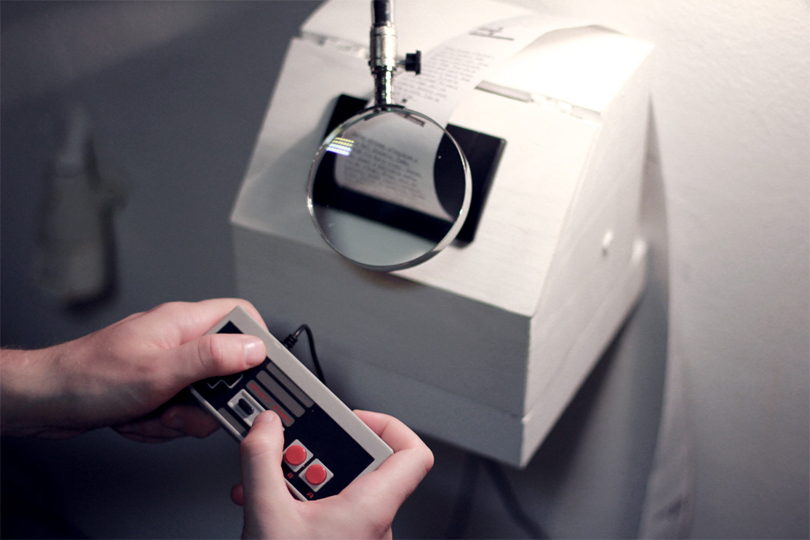
Gdyby artyści trochę bardziej ogarniali co się do tej pory działo w grach, to by mieli prościej.
O Wariantach Eichmanna przypomniałem sobie niedawno. W opowiadaniu z 1993 roku Alianci wygrywają z Niemcami dzięki atakowi atomowemu, zaś nazistowskich zbrodniarzy karze się według zasady oko za oko. Mordowane są ich kolejne klony.
t’s interesting to note that the argument can be summed up as:
Here’s my response, point by point:
za pomocą Roko’s Basilisk wants YOU – Charlie’s Diary.
Now an emotion-sensing smartphone app that automatically generates someone’s „mood diary” could give psychologists all the data they need.
It’s the brainchild of Matt Dobson and Duncan Barclay, founders of speech recognition firm EI Technologies, based in Saffron Walden, UK. Instead of relying on people writing diaries, the app, called Xpression, listens for telltale changes in a person’s voice that indicate whether they are in one of five emotional states: calm, happy, sad, angry or anxious/frightened. It then lists a person’s moods against the times they change, and automatically emails the list to their psychologist at the end of the day.
za pomocą Mood-sensing smartphone tells your shrink how you feel – tech – 21 February 2013 – New Scientist.
 Zniekształcenie poznawcze